Potassium nitrate in plant nutrition
Practical reference and guidance for agriculture professionals. Understand how KNO₃ works as a nitrogen and potassium source, when it's most beneficial, and how it compares to other fertiliser options.
What is potassium nitrate used for in agriculture?
Potassium nitrate (KNO₃) provides two essential plant nutrients—potassium (K) and nitrogen (N)—in a single compound. In agricultural settings, it serves as a water-soluble fertiliser particularly valued for high-value crops, fertigation systems, and foliar feeding programmes.
Unlike some other potassium sources, potassium nitrate contains no chloride, making it suitable for chloride-sensitive crops such as tobacco, potatoes, certain fruit trees, and many vegetable species. The nitrate form of nitrogen it provides is immediately available for plant uptake and moves readily in soil solution.
This site provides reference information on the agronomic characteristics of potassium nitrate, guidance on its practical use, and context on global production and consumption patterns.
Popular topics
Commonly referenced information on potassium nitrate in plant nutrition
Nitrate vs Ammonium
Understanding the differences between NO₃⁻ and NH₄⁺ in plant nutrition and when each nitrogen form matters.
🌿Foliar Applications
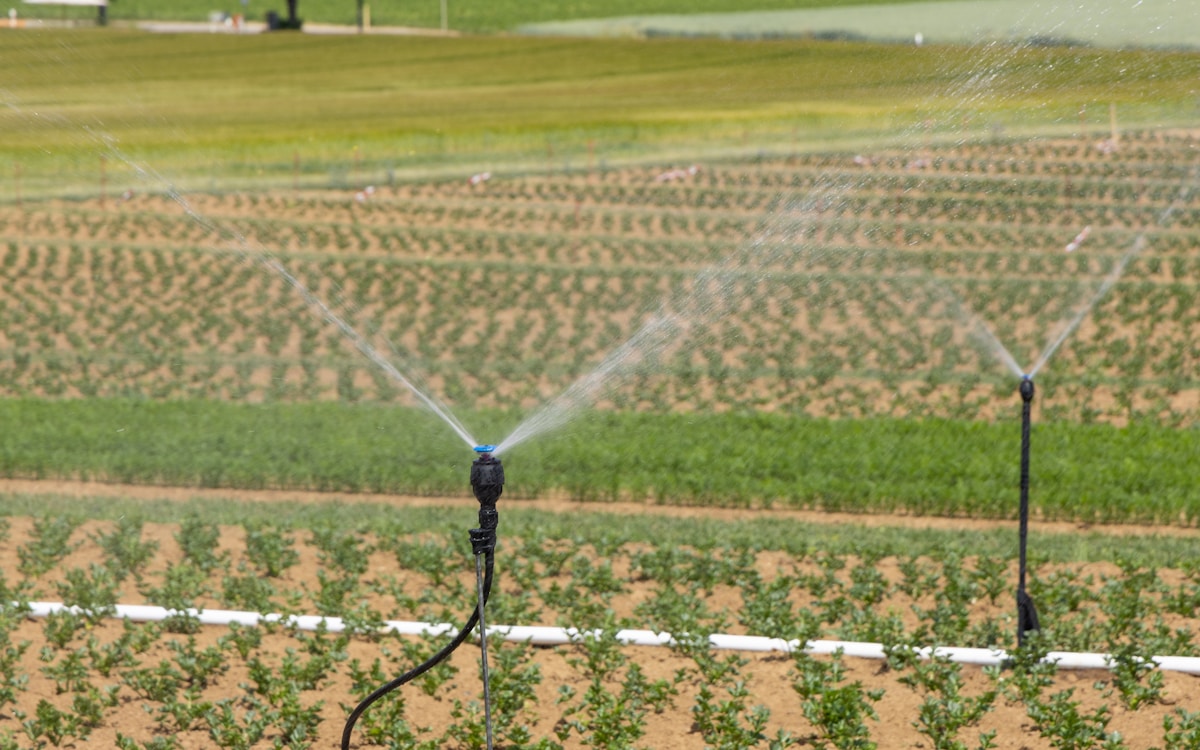
Guidance on foliar feeding with potassium nitrate, including timing considerations and practical planning.
🧪Chloride Sensitivity
Which crops are sensitive to chloride and how potassium nitrate offers a chloride-free K source.
🌍Global Consumption
Overview of worldwide potassium fertiliser use patterns and market drivers.
Explore by topic
Browse content organised by subject area
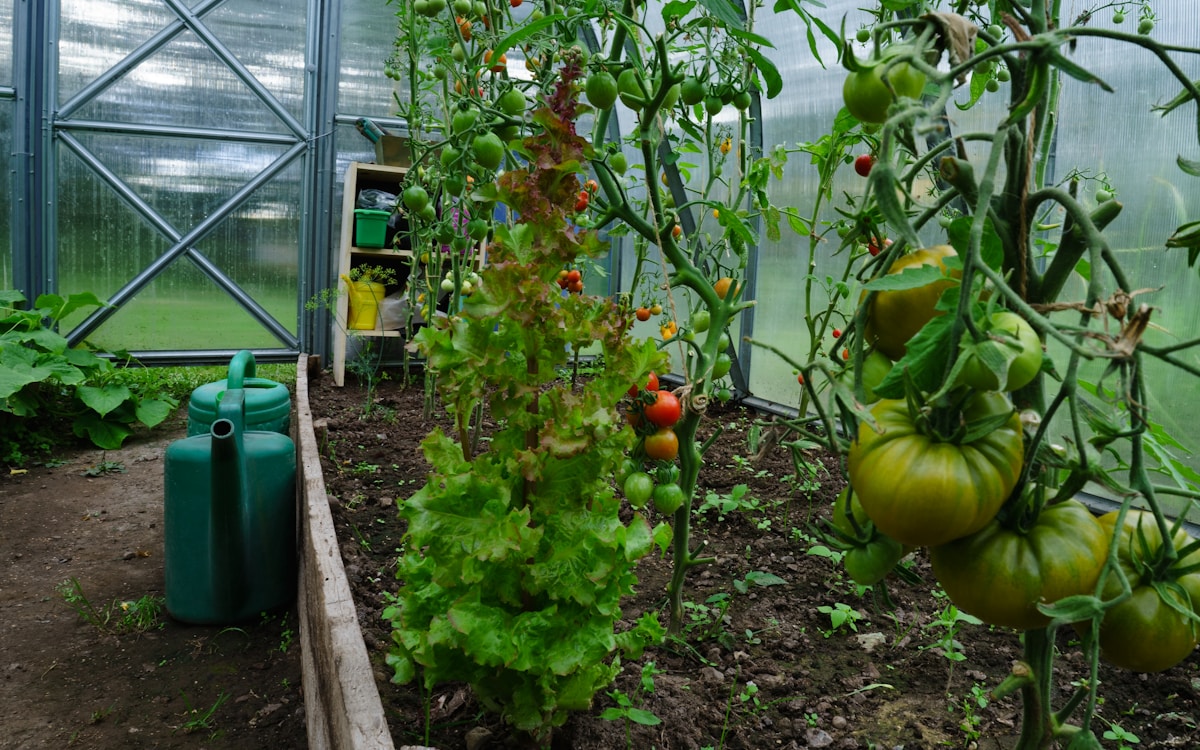
Potassium nitrate is widely used in precision agriculture, including greenhouse operations and fertigation systems where nutrient management is closely controlled.
Recent updates
View all updatesFoliar application guidance expanded
Additional information on spray timing considerations.
Chloride sensitivity crop table updated
Added common orchard and vegetable crops to the reference.
Market consumption data refreshed
Updated global potassium fertiliser statistics.
Start here
Recommended reading for those new to potassium nitrate in agriculture
- 1Uses of potassium nitrate
An overview of agricultural and other applications
- 2Nitrate vs ammonium nitrogen
Understanding the two main nitrogen forms
- 3Chloride sensitivity in crops
When chloride-free potassium sources matter